
Rugged Smartphones for frontline work
Rugged smartphones are engineered for environments that destroy standard devices — enabling communication, navigation and specialist tools in one durable platform.
Why rugged Smart Devices are worth it
Rugged devices reduce downtime, keep teams connected, and make field work smoother — even when conditions are hostile.
Reduce downtime from breakages
Fewer cracked screens, water damage and device failures.
Lower total cost of ownership
Fewer replacements and repairs than consumer devices.
More productivity in the field
Reliable access to comms, data and tools without disruption.
Security you can trust
Hardened devices and secure platforms for sensitive environments.
Better situational awareness
Mapping, navigation, UAV feeds and real-time updates on the move.
Built-in tools that replace extras
Thermal imaging, rangefinders and programmable PTT actions.
Rugged laptops & tablets for mobile computing
For teams who need real-time data, mapping, secure access and mission applications — rugged laptops and tablets act as reliable mobile workstations in the field.
Devices configured for how your teams actually work
Rugged hardware is only part of the answer. Comms-Spec helps you select, configure and deploy smart devices so they work reliably, securely and consistently in real operational conditions.
Harsh environments
We specify devices built for water, dust, drops and shock — matched to the realities of your site and operational risks.
Secure access
We support secure platforms and authentication options so sensitive data and comms stay protected in the field.
PTT workflows
We configure devices and controls that support Push-to-Talk and rapid actions — ideal for teams that rely on fast comms.
Field usability
We match devices to need: glove-friendly screens, loud audio, physical keys and programmable buttons for high-pressure use.
Mission tools
We recommend models with built-in tools like thermal imaging or rangefinding when specialist capability reduces equipment load.
Mobile integration
We align devices with how they’re used — dismounted, vehicle mounted, or supporting UAV operations and remote monitoring.
Smart devices that don’t fail first
Rugged devices deliver the most value when they’re selected for the environment, the mission and the consequences of downtime.
Downtime from breakages
In harsh environments, consumer devices fail fast — cracked screens, water ingress and drop damage create downtime, lost data and frustrated teams. Over time, that unreliability becomes an operational risk, not just an inconvenience.
Rugged smartphones are built to withstand real-world punishment, often meeting military-grade durability standards and strong water/dust resistance. This reduces breakages and keeps teams operational through long shifts and demanding conditions.
How Comms-Spec adds value: We match device durability to your environment (not generic specs), then supply options that reduce failures in the field — helping teams stay productive without constant repairs and replacements.
Field usability under stress
Even when a device survives, it can still be unusable — screens that won’t work with gloves, controls that are too small, and audio that can’t cut through noisy environments all slow teams down.
Field-first devices include glove-friendly screens that work when wet, loudspeakers for noisy sites, and programmable buttons that trigger key actions instantly — including Push-to-Talk workflows.
How Comms-Spec adds value: We recommend devices based on how your teams actually work, then configure controls and workflows so critical actions are fast, consistent and easy to use under pressure.
Secure comms & data
When devices carry sensitive information, the risk isn’t just loss — it’s exposure. Weak security, poor authentication and unmanaged access can undermine operational integrity and create compliance issues.
Rugged devices for critical environments can support hardened security platforms and secure authentication methods, helping protect communications and data both in transit and at rest.
How Comms-Spec adds value: We help align device choice with your security requirements, ensuring the right platform and authentication options are in place for protected field operations.
Mission computing anywhere
Teams often need more than a phone — they need real-time data, mapping, UAV feeds, asset tracking and mission applications, sometimes while moving and in extreme temperatures.
Rugged laptops and tablets act as mobile workstations built for harsh environments, supporting real-time situational awareness, secure comms and operational computing with lower failure rates than standard devices.
How Comms-Spec adds value: We help you choose the right form factor (laptop, tablet or 2-in-1), then specify mission-ready features like modularity, sunlight readability and secure readers so devices perform reliably where they’re deployed.
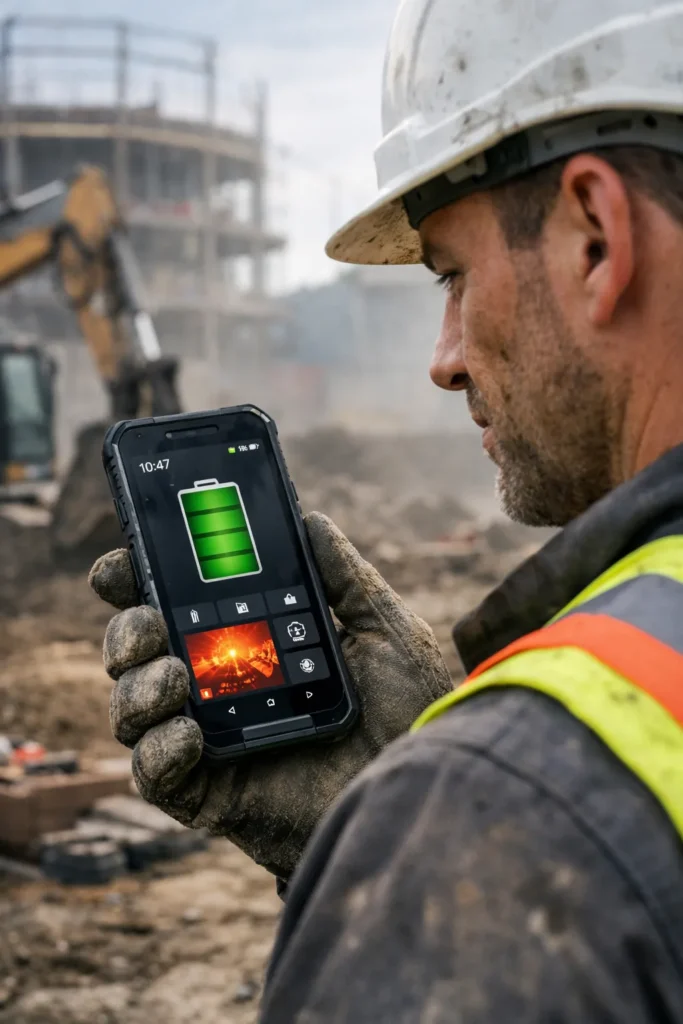
Hammer Smartphones: built for real work
Hammer devices are designed for demanding industries where standard phones don’t survive — offering rugged durability, long battery life and practical features that support field productivity.
What teams gain
- Fewer breakages and less downtime
- Built-in tools like thermal imaging or rangefinding (model dependent)
- Glove-friendly usability and loud audio for noisy environments
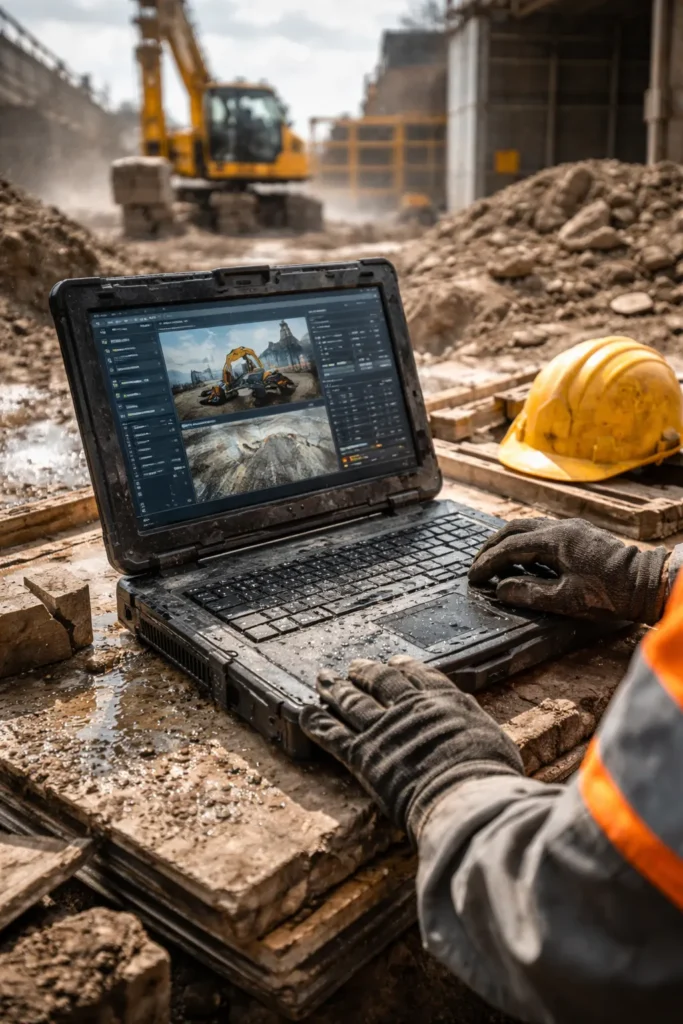
Rugged laptops & tablets for mission-ready computing
Rugged laptops and tablets provide real-time data access, secure communications and combat-hardened computing for extreme conditions — supporting tasks like GPS navigation, UAV feed monitoring, logistics tracking and mission coordination, while reducing long-term ownership costs through durability.
Related Solutions
Rugged smartphones are engineered for environments that destroy standard devices — enabling communication, navigation and specialist tools in one durable platform.

Close Protection

Events

Stadiums

Natural Resource

Ports

Hotels and Luxury Properties

Commercial Marine

Superyachts
Frequently Asked Questions
- Which devices do you recommend and why?
Selection is based on role, environment and application requirements.
Form factor: smartphones for pockets and rapid comms, tablets for maps, video and forms, specialist handhelds for scanning or glove use.
Durability: drop ratings, Gorilla Glass, IP65 or higher for dust and water, optional intrinsically safe models for hazardous areas.
Battery and charging: large batteries, hot swap options, fast charge, and dock or multi-bay chargers to support long shifts.
Performance: adequate CPU, RAM and storage for VMS viewing, digital twin apps and push to talk over cellular.
Cameras and sensors: good low light cameras, barcode or RFID options, GPS, NFC and Bluetooth for location and access workflows.
Ecosystem: accessories such as holsters, shoulder mounts, vehicle cradles, rugged cases and screen protectors.
Longevity: vendor update policy, spare parts availability and a clear roadmap for OS support.
Comms-Spec maps user roles to device profiles and recommends a standardised fleet to simplify support.
- How do you secure corporate and personal devices?
Security and management are delivered through a mobile device management platform.
Enrolment and control: zero touch or Apple/Android enterprise enrolment, device inventory, remote lock and wipe.
Policies: passcodes, biometric unlock, encryption at rest, compliance checks, and automatic quarantine for non-compliant devices.
Network security: certificate based Wi-Fi, per app VPN, DNS and web filtering where policy requires it.
App management: private app store, version control, forced updates and removal of unused apps.
Work data separation: managed work profiles on BYOD, or fully managed COPE devices for higher control.
Audit and privacy: role based admin access, detailed logs, and retention configured to your data protection policy.
Comms-Spec configures baselines to align with governance and provides change control for future updates.
- Can devices interface with radios and control room systems?
Devices become mobile consoles for your critical platforms.
Security and safety: VMS viewing and export, access control apps for door control, alarm acknowledgements, staff panic alerts and lone worker protection.
Communications: push to talk over cellular tied to radio talkgroups, VoIP softphones, messaging with delivery receipts.
Operations: service call intake, maintenance tickets, digital forms, asset scanning and photo notes attached to incidents.
Visualisation: digital twin access with live maps, device health and nearby cameras.
Automation: geofences trigger checklists or notifications when teams arrive or leave zones, with all actions logged.
Integrations are delivered through vendor SDKs, secure APIs and single sign-on where supported.
- Can devices interface with radios and control room systems?
Design includes graceful behaviour during weak coverage or outages.
Offline modes: critical apps cache forms and incidents locally and synchronise when links return.
Store and forward: photos, video clips and logs queue with timestamps to preserve evidence.
Multi-path connectivity: Wi-Fi plus LTE or 5G with eSIM or dual SIM profiles across different networks.
Priority profiles: traffic shaping and QoS that favour voice, alarms and control traffic over bulk updates.
Fallback comms: integration with radio systems for emergency talkpaths if data links fail.
Comms-Spec validates real world performance with walk tests and acceptance criteria that reflect your site.
- What happens if connectivity is poor?
People rely on devices under pressure, so practicality comes first.
Kiosk and launcher modes: role based home screens with only approved apps and clear icons.
Accessibility: large text options, glove mode, wet touch support and haptic feedback for confirmations.
Ruggedisation: shock absorbing cases, lanyards or belt clips, screen protectors, and cleaning guidance for hygiene.
Power strategy: shift length battery planning, spare batteries or power banks, vehicle charging and smart charging to extend cell life.
Environmental fit: anti-glare screens for sunlight, heaters for cold, and breathable cases for heat.
User training covers quick actions, fault reporting and battery care to keep devices reliable.
- How is device health monitored?
A structured lifecycle keeps the fleet consistent and serviceable.
Staging and enrolment: devices arrive pre-labelled, enrolled and app-loaded, with asset tags and ownership records.
User onboarding: role based training, quick reference cards and sign-on guides for SSO or MFA.
Monitoring and reporting: dashboards for battery health, OS versions, compliance status and app crash rates.
Spares and swap: a pool of preconfigured replacements with simple swap procedures reduces downtime.
Maintenance: scheduled OS and app updates, accessory replacement cycles and periodic reviews against KPIs such as device uptime and incident response times.
Support: helpdesk, remote diagnostics and on-site assistance where required, with service levels that match operational risk.
Comms-Spec can operate the MDM on your behalf or hand it over with administrator training and documentation.