
Dispatcher console capabilities
A dispatcher isn’t one feature—it’s a set of operational modules that should match your risk profile and response model. We configure the platform so operators can act quickly, consistently, and confidently.
What you gain with the right system
Designed properly, a security dispatcher becomes an operational advantage—faster verification, cleaner coordination, and stronger accountability across every incident.
Faster Response
Reduce time to verify and deploy the right team
Better Coordination
Manage talkgroups, priorities, and supervisors cleanly
Situational awareness
Location and video create context instantly
Stronger Safety
Structured handling of emergency activations and escalation
Audit-ready Oversight
Recordings and histories support evidence and reviews
Consistent Operations
Standard workflows across teams and sites
Add-ons that strengthen dispatch performance
These options help tailor dispatcher capability to your operation—improving clarity, resilience, and long-term consistency.
Choose the right dispatcher setup
The best dispatcher console depends on how your teams communicate, what you need to see, and what you must prove after an incident. Use the guide below to quickly identify a fit.
Radio-first control room operations
A dispatcher console that gives supervisors clean control of voice, teams, and priorities—reducing radio chaos and improving command clarity.
Multi-channel events and high traffic environments
Structured talkgroups and operator tools that keep comms organised during peak demand and fast-changing incidents.
Close protection and mobile command
A setup designed for pop-up command posts and teams on the move, with remote connectivity options to keep command capability consistent.
CCTV and body-worn video verification workflows
Bring video feeds into the operational workflow so incidents can be verified quickly and responders receive better context.
Patrol monitoring and compliance reporting
Location history and event timelines that support patrol oversight, adherence to procedure, and post-shift reporting.
Panic, Lone Worker, and Man Down response
Defined escalation workflows for emergency activations, including who receives alerts, how they are acknowledged, and how response is coordinated.
Evidence capture and incident replay
Recording of communications, alarms, and location history to support investigations, audits, and process improvement.
Capabilities that turn dispatch into outcomes
Dispatch fails when operators must stitch together information under pressure. These capabilities are designed to reduce uncertainty, improve response speed, and create a defensible operational record.
Two-way radio communication
When incidents escalate, uncontrolled radio traffic can become its own risk—multiple teams talking at once, unclear priorities, and supervisors unable to coordinate the right response quickly. This slows decisions and increases the chance of missed instructions.
A dispatcher console solves this by giving operators a structured way to communicate with individuals, teams, and talkgroups from one interface. It supports cleaner command, clearer escalation, and consistent operational discipline during peak demand.
How Comms-Spec adds value: We design talkgroup structure, permissions, and operating procedures around how your team actually works—so comms remains usable under pressure, not just “available.”
Messaging, files, and live operational collaboration
Security operations often require more than voice—photos, instructions, documents, and quick updates that shouldn’t clog radio channels. When teams rely on mixed apps and informal sharing, information becomes fragmented and hard to audit.
Cloud-enabled dispatch workflows solve this by enabling structured collaboration alongside core communications. Operators can support faster coordination without flooding voice channels, especially in dynamic or multi-location operations.
How Comms-Spec adds value: We configure collaboration features to enhance workflow (not create noise), define who uses what, and ensure the system stays operationally simple for busy teams.
CCTV and body-worn video
A large portion of dispatch time is lost in “verification delay”—operators trying to work out whether an alert is real, where it is, and what responders are walking into. Without visuals, teams often over-respond or under-respond, both of which create risk.
Integrating CCTV and body-worn video solves this by giving operators immediate eyes on the incident. Visual context improves decision-making, reduces time-to-verify, and supports safer response planning.
How Comms-Spec adds value: We design the integration around operator workflow—what should appear, when, and how it’s used—so video becomes a decision tool, not just another screen.
GPS and indoor tracking
In security operations, location is often as important as voice. Without accurate positioning, dispatchers lose time finding the nearest responder, confirming patrol coverage, or coordinating multi-team response across a site.
Location integration solves this by providing outdoor GPS for open areas and indoor location methods when teams enter buildings. It enables smarter dispatch, better oversight, and more consistent patrol assurance.
How Comms-Spec adds value: We plan location visibility based on operational zones—where location matters most—and validate the result so it supports real response decisions, not vague approximation.
Patrol monitoring and procedure adherence
Patrols often fail due to lack of visibility: missed checkpoints, inconsistent routes, and no defensible record of what happened when. That creates risk, especially where compliance and duty-of-care expectations are high.
A dispatcher console with location history and event logging solves this by creating a clear operational timeline—supporting accountability, improved supervision, and better reporting after shifts and incidents.
How Comms-Spec adds value: We design the reporting outputs you actually need—patrol evidence, incident history, response timelines—so the system supports governance and improvement, not just real-time operations.
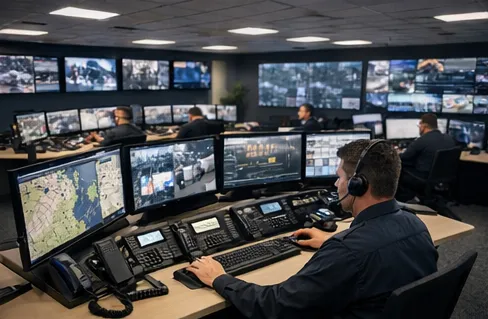
Controlled, auditable, mission-ready dispatch
A dispatcher console isn’t just a tool—it’s an operational governance layer. The right setup supports controlled access, predictable escalation, and auditable outcomes.
- Role-based visibility and control for supervisors and operators
- Structured alarm handling for faster, safer escalation
- Recording and reporting that supports evidence and audits
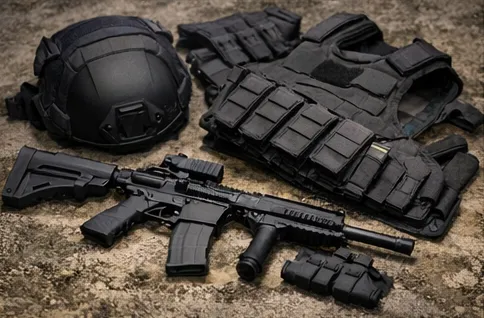
Built for mission-critical operations
The value of dispatch is measured in response time, clarity, and control when pressure rises. We design dispatcher workflows that reduce uncertainty, improve verification, and create a defensible record—supporting better outcomes on the ground, at sea, or in the air.
Related Solutions
A dispatcher isn’t one feature—it’s a set of operational modules that should match your risk profile and response model. We configure the platform so operators can act quickly, consistently, and confidently.

Close Protection

Events
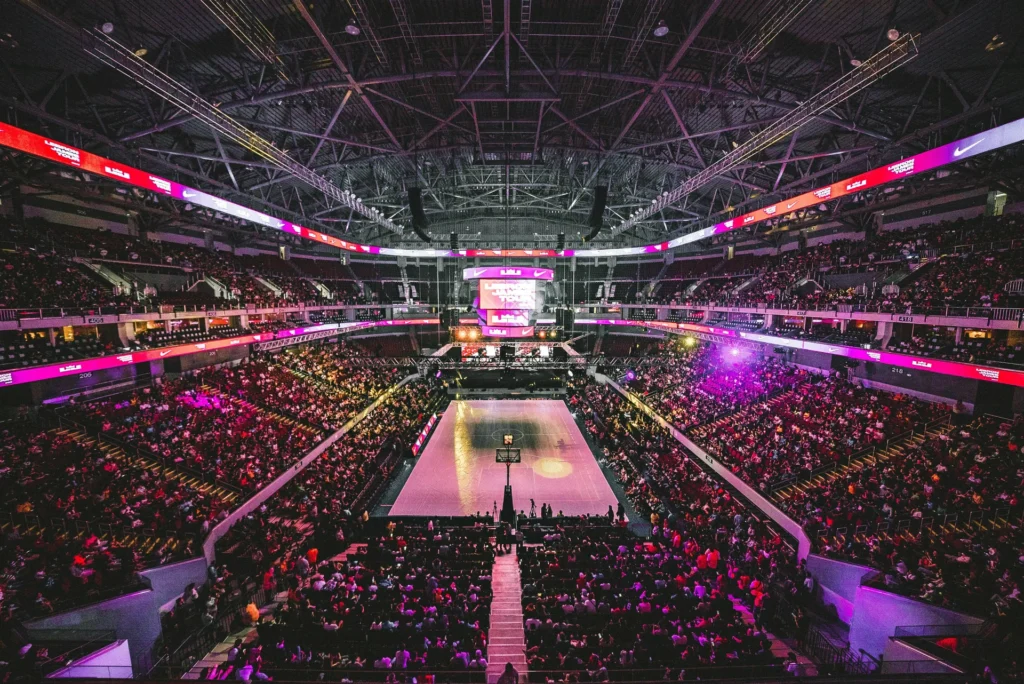
Stadiums
Frequently Asked Questions
- What is a security dispatcher console?
A dispatcher console is the control-room interface used to manage communications, team visibility, and alert response. It helps supervisors coordinate teams, handle emergencies, and maintain a clear operational picture during incidents.
- What’s the difference between TRBOnet and WAVE Dispatch?
The best fit depends on your operational model—how you communicate, whether you need cloud-enabled workflows, and how you want to integrate data, location, and collaboration. Many deployments succeed by selecting the platform that best matches response needs and team structure.
- Can a dispatcher console integrate CCTV and body-worn video?
Yes. Video integration helps verify incidents faster and improves responder safety by providing context before teams enter risk.
- How does GPS and indoor tracking work for dispatch?
Outdoor positioning typically relies on GPS, while indoor visibility can use methods designed for buildings and multi-zone environments. The goal is consistent location context across where teams actually operate.
- Can dispatch handle Panic, Lone Worker, and Man Down alerts?
Yes. A dispatcher console can receive and manage emergency activations, route them to the right responders, and support structured escalation.
- Does a dispatcher system record communications and incidents?
Many setups can record radio communications, alarms, and location history. This supports evidence capture, reporting, training, and continuous improvement.