
Remote connectivity options
We supply portable and fixed solutions that match the environment—then configure them to perform reliably with the right SIMs, antennas, and management.
What you gain with the right system
Designed properly, remote connectivity becomes an operational advantage—fast to deploy, resilient under pressure, and simple to manage at scale.
Rapid deployment
Get a working connection without waiting on fixed-line installs.
Stronger performance
5G where available, high-performance 4G where it’s not.
Coverage improvement
External antennas and outdoor units for weak-signal areas.
Business resilience
Dual-SIM/failover options for critical uptime (router dependent).
Better control
Remote monitoring and configuration via management platforms.
Simpler procurement
Rental / Device-as-a-Service with managed data available.
Add-ons that make remote connectivity perform
These are the components that turn “some internet” into stable, scalable connectivity—especially in challenging locations.
Choose the right remote connectivity setup
The “best” solution depends on three things: signal availability, how permanent the site is, and how critical uptime is. Use the guide below to get to the right option quickly.
Temporary site office (fast setup)
Portable or indoor fixed router setup with Wi-Fi for teams and Ethernet for core devices. Ideal when you need connectivity immediately and the site will move or close.
Rural home / remote working
Indoor fixed router with external antenna ports (plus an antenna if needed) to stabilise performance for video calls, cloud tools, and daily work.
Industrial site / IoT (always-on)
Industrial-grade router designed for continuous connectivity, with business features like VPN support and resilience options (device dependent). Ideal for M2M/IoT, automation, and remote equipment.
Vehicles / mobile teams
Rugged router solution designed for mobile environments, keeping teams and onboard systems connected while on the move.
Weak signal area (needs signal lift)
External/high-gain antennas and/or outdoor router placement to capture a stronger signal, then distribute connectivity inside via Wi-Fi/Ethernet.
Multi-site rollout (central management)
A standardised router build with central management to monitor, configure, and support multiple sites from one place—ideal for scaled deployments.
No cellular coverage (extreme remote)
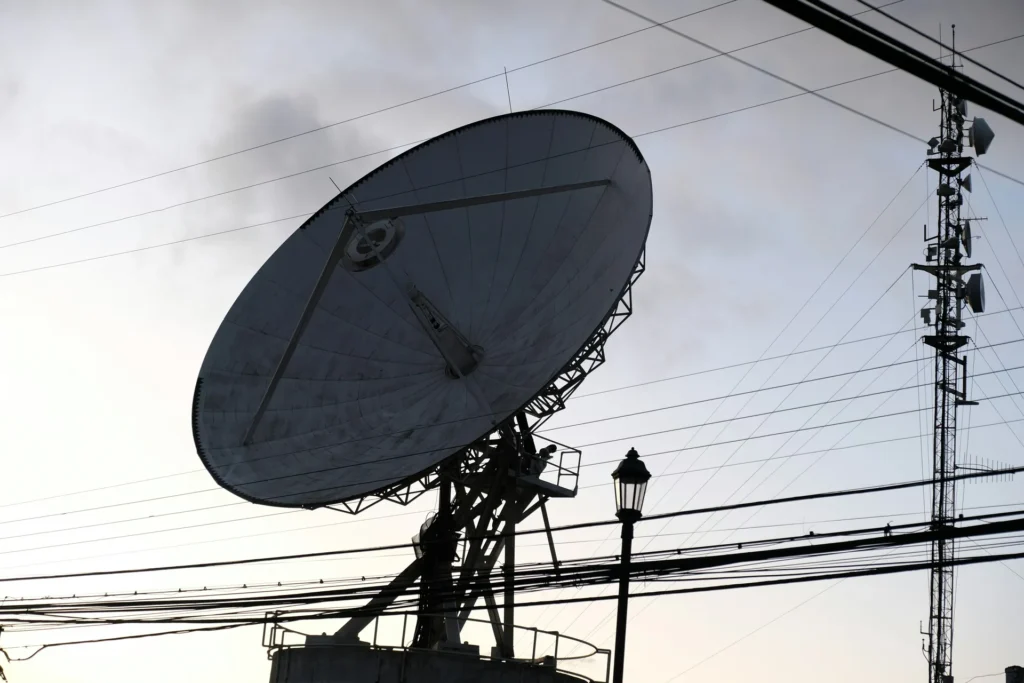
If 4G/5G isn’t viable, we’ll assess fixed wireless and satellite-based options to achieve connectivity in the most remote environments.
Performance upgrades and deployment architecture
If performance is inconsistent, it’s usually not the network—it’s the design. These are the most common upgrades we deploy to stabilise speed, improve coverage, and make remote connectivity supportable.
External / high-gain antennas
When remote internet feels “random”—fast one minute, unusable the next—it’s often not the router at fault. Rural distance from towers, indoor signal loss, and building materials can all weaken reception, causing slow speeds, unstable video calls, and frustrating dropouts right when teams need reliability.
External or high-gain antennas solve this by improving the signal your router can actually lock onto. Instead of relying on a weak indoor signal, the antenna captures a stronger, cleaner connection and feeds it to the router—often improving consistency, usable speed, and overall stability.
How Comms-Spec adds value: We don’t just bolt on an antenna. We identify the limiting factor (signal strength vs congestion), select the right antenna type, position it correctly, and commission the setup so you get a measurable improvement—not a hopeful upgrade.
Outdoor placement (when indoor signal is the blocker)
If your connection works in one corner of a building but dies everywhere else, the issue is usually the structure—metalwork, thick walls, basements, and plant rooms can heavily attenuate cellular signal. In these cases, moving the router around indoors becomes a daily workaround that wastes time and still doesn’t deliver reliable service.
Outdoor placement solves this by putting the “signal capture” where the signal is strongest—outside. An outdoor unit (or an indoor router fed by an outdoor antenna strategy) grabs the best available 4G/5G connection and then distributes it inside via Wi-Fi and/or Ethernet, so coverage is usable where people actually work.
How Comms-Spec adds value: We design the layout based on your operational areas, not just convenience. That means choosing the best mounting position, planning cable routes, ensuring stable indoor distribution, and validating performance so the connection works across the spaces that matter most.
Industrial routers for “always-on” connectivity
Consumer-grade routers and hotspots are fine for occasional use—but they’re not built for continuous uptime, harsh environments, remote monitoring, or business-critical workflows. On active sites, in transport environments, or supporting IoT/M2M devices, that gap shows up as reboots, overheating, unstable performance, and limited control when something goes wrong.
Industrial routers solve this by delivering connectivity designed for demanding conditions. They’re built for continuous duty cycles and often support business features such as resilience options, VPN capability, and more advanced management (model dependent)—making them a far better fit for operational connectivity than consumer kit.
How Comms-Spec adds value: We match the hardware to the reality of your environment and usage, then configure it properly—so you get a setup that stays online, is supportable, and scales cleanly as your site or fleet grows.
SIM strategy and data planning
A lot of “connectivity problems” are actually procurement problems. The wrong SIM plan can mean hidden throttling, unexpected limits, poor priority under load, or a plan that simply doesn’t match how you’re using the connection—especially when multiple users, video calls, cloud tools, or IoT devices are involved.
A proper SIM and data strategy solves this by aligning the plan to your real demand. We design around your usage profile—temporary site office, day-to-day remote working, multi-user Wi-Fi, or IoT/M2M—so performance is consistent and costs remain predictable.
How Comms-Spec adds value: We remove trial-and-error by specifying the right plan from the start, testing performance where it matters, and building a setup you can repeat confidently across future deployments.
Central management for multi-site rollouts
Once you have more than a couple of deployments, support becomes the real challenge. Without visibility, you can’t tell whether a site is down, whether performance is degrading, or whether a device needs a settings update. That leads to reactive firefighting, inconsistent configurations, and too much time spent diagnosing issues remotely.
Central management solves this by giving you oversight and control across your fleet. You can monitor device health, signal, and uptime, push configuration changes, standardise templates, and resolve issues faster—making a multi-site rollout manageable rather than chaotic.
How Comms-Spec adds value: We don’t just hand you a platform. We set it up with sensible standards, configure devices consistently, and support the rollout so each new site is simpler than the last—and your connectivity stays supportable as you scale.
Managed “Device as a Service” (DaaS)
When you need connectivity quickly, the slowest part is often the admin: sourcing hardware, selecting SIMs, configuring devices, coordinating delivery, and figuring out who supports what. For temporary sites and rapid rollouts, that overhead can delay operations and create fragmented accountability.
Device as a Service solves this by delivering pre-configured, ready-to-deploy connectivity with managed data and a single support route. You get the right kit for the job, configured correctly, with far less internal effort—so your team can focus on the work, not the setup.
How Comms-Spec adds value: We design the solution end-to-end—hardware, SIMs, configuration, and support—so deployment is fast, consistent, and easy to repeat across new sites, projects, and teams.
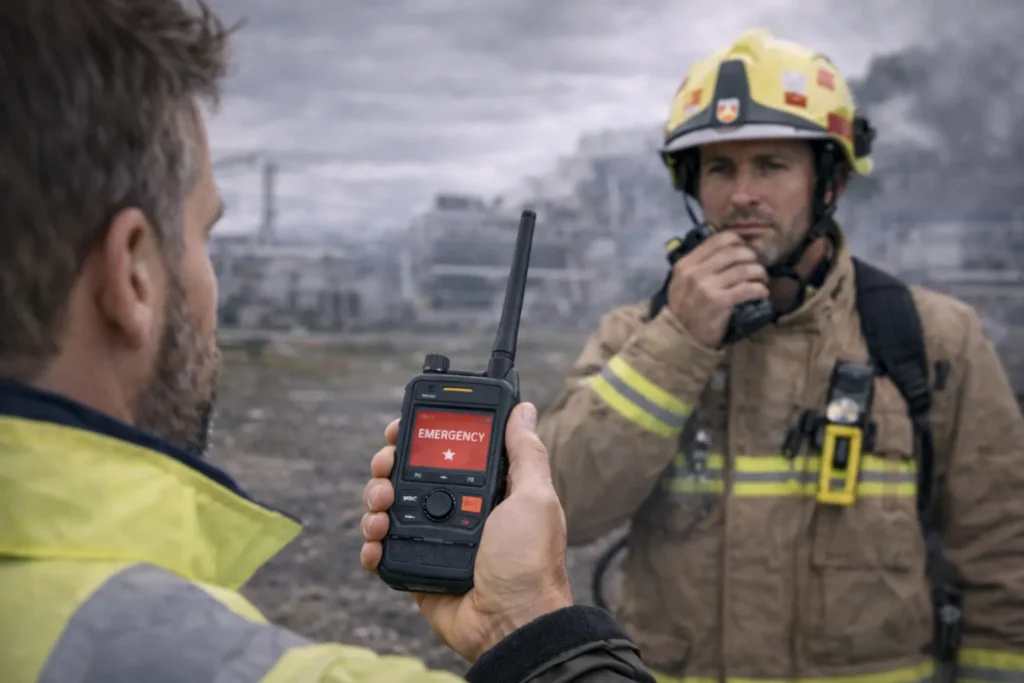
Security, resilience, and business control
Remote connectivity should be safe to operate and easy to control—especially when it connects your people, systems, and business-critical devices.
Secure networking options, including VPN support (router dependent)
Resilience features like dual-SIM and failover options (model dependent)
Central oversight for device health, uptime, and usage across deployments
Role-appropriate setups for people, sites, and IoT/M2M devices
Standardised, supportable architecture that scales as you expand
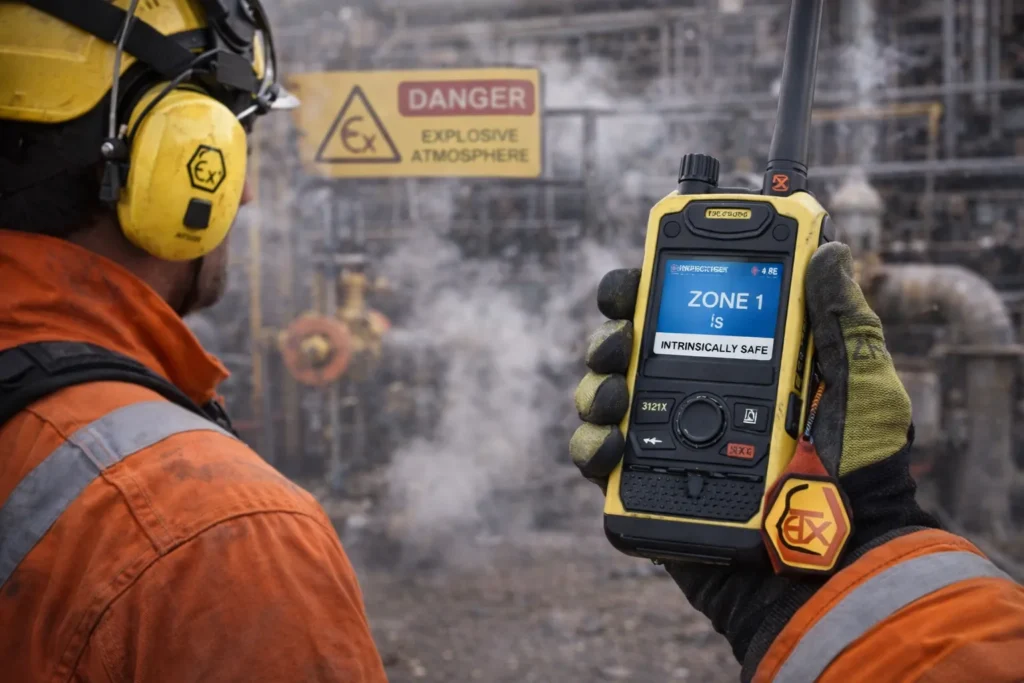
Harsh environments and extreme remote locations
Construction sites, transport environments, and remote industrial locations demand more than consumer-grade kit. We supply rugged routers and deployment options designed for continuous service—and when cellular isn’t viable, we can assess alternative backhaul options to deliver connectivity in the most remote conditions.
Related Solutions
We supply portable and fixed solutions that match the environment—then configure them to perform reliably with the right SIMs, antennas, and management.
Remote Connectivity

Events

Natural Resource

Commercial Marine

Superyachts
Frequently Asked Questions
- What’s the difference between a hotspot and an industrial router?
A hotspot is best for portability and quick internet. Industrial routers are built for continuous uptime, remote environments, and operational oversight—ideal for sites, vehicles, and IoT/M2M.
- What if signal is weak where we need connectivity?
We improve weak-signal performance with external/high-gain antennas and/or outdoor placement to capture the strongest available signal, then distribute it inside via Wi-Fi/Ethernet.
- Can you support multi-site deployments?
Yes—central management lets you monitor and configure multiple devices from one platform, making deployments consistent and supportable.
- Do you provide managed rental options?
Yes—Device-as-a-Service allows you to rent pre-configured routers with managed data to simplify deployment, especially for temporary sites.
- Can this be used for IoT and M2M connectivity?
Yes—industrial routers and managed deployments are commonly used to connect remote equipment, meters, and smart devices.
- What speeds can we expect?
It depends on local coverage, network load, and your antenna strategy. Where 5G is available you can achieve very high throughput; where it isn’t, high-performance 4G options provide reliable connectivity.