
Access Control Systems (ACS)
Access Control Systems restrict and manage entry to buildings, rooms and physical assets using smart credentials and central management — helping create secure environments, improve visibility, and support compliance requirements.
Why Access Control pays off in daily operations
Access control doesn’t just secure doors — it reduces risk, improves accountability, and makes security easier to manage at scale.
Protect People and Property
Deter intruders and reduce internal and external threats.
Secure Sensitive Areas
Restrict access to server rooms, stores, and high-risk zones.
Instant Access Changes
Revoke or update permissions immediately without changing locks.
Compliance-Ready Audit Trails
Track access events for reporting and accountability.
Less Overhead Than Keys
Reduce administration, lost-key risk and manual control.
Smarter Integrated Security
Link access events to alarms, cameras and radio alerts.
Physical entry control that prevents misuse
These solutions add a physical layer to access control — preventing tailgating, controlling vehicle entry, and improving safety at high-traffic points.
Access control that works as one system
Security is stronger when systems talk to each other. Comms-Spec delivers integrated access control that connects with CCTV, alarms and radio — enabling smarter actions, clearer oversight and faster response.
Stop unauthorised entry
We design access permissions around roles, schedules and risk — securing doors, zones and assets while keeping legitimate movement efficient.
Faster incident response
We integrate access events with alerts so the right people are notified immediately via radios, apps or monitoring stations.
Reduce false alarms
When access events link to CCTV, teams can verify incidents quickly — improving decision-making and reducing unnecessary disruption.
Automate lockdowns
We configure rules so breaches can trigger actions like door locking, camera recording, and controlled area lockdown.
Wireless where needed
RF and GSM-enabled access control reduces dependency on wiring — improving install flexibility and lowering disruption in complex sites.
Audit & compliance
We enable synchronised logs and reporting so access events are traceable, reviewable and easier to evidence when required.
A smarter, integrated security layer
Access control delivers the most value when it’s built around real workflows and connected to the rest of your security stack.
Lost keys & shared access
Physical keys create risk because they’re easy to lose, copy, or share without any accountability. Over time, organisations lose track of who can access what — and changing locks becomes costly, slow and disruptive.
Access control replaces keys with managed credentials (cards, fobs, mobile, biometrics or PINs), enabling instant permission changes. Lost credentials can be revoked immediately, schedules can be enforced, and access can be tailored by role.
How Comms-Spec adds value: We design access policies around your operational reality, not generic templates — setting up the right credential types, permissions and schedules, then supporting ongoing changes so security stays tight as teams and sites evolve.
Standalone systems gaps
When access control, CCTV, alarms and radios operate separately, incidents become slower and harder to validate. Teams waste time chasing alerts, false alarms increase, and evidence is split across different logs and platforms.
Integration creates a unified response. For example, a forced door entry can trigger CCTV recording, log the event, send alerts to radios or apps, and initiate door locking based on threat level — all as one workflow.
How Comms-Spec adds value: We connect systems into an operational “rule set” that fits your site — aligning triggers, alerts and automations so incidents are verified faster, responses are coordinated, and event history is consistent across logs and footage.
Hard-to-wire doors
Some buildings and environments make cabling difficult — glass partitions, heritage sites, high-traffic corridors, or areas where disruption isn’t acceptable. Traditional wired installs can increase cost, delay timelines and limit design options.
RF-based access control enables secure identification and door control without extensive wiring for locks and readers. Wireless exit buttons and RF receivers/controllers provide flexibility while still enabling central access management and audit trails.
How Comms-Spec adds value: We specify wireless access as a secure engineered solution — selecting appropriate readers, credentials and controllers, then commissioning the system so reliability, range and security meet the real conditions onsite.
Vehicle gates & busy entry
High-traffic entry points often create a choice between speed and security. Manual gate processes slow operations, while unmanaged access can introduce risk and reduce accountability for who entered, when and why.
Long-range access control supports hands-free vehicle entry at gates and barriers — helping maintain flow while enforcing permissions. Combined with logging and integration, it provides visibility and control without constant manual intervention.
How Comms-Spec adds value: We design vehicle access around your throughput and perimeter layout — specifying suitable long-range solutions, configuring permissions, and integrating events with the wider security system for faster response when anomalies occur.
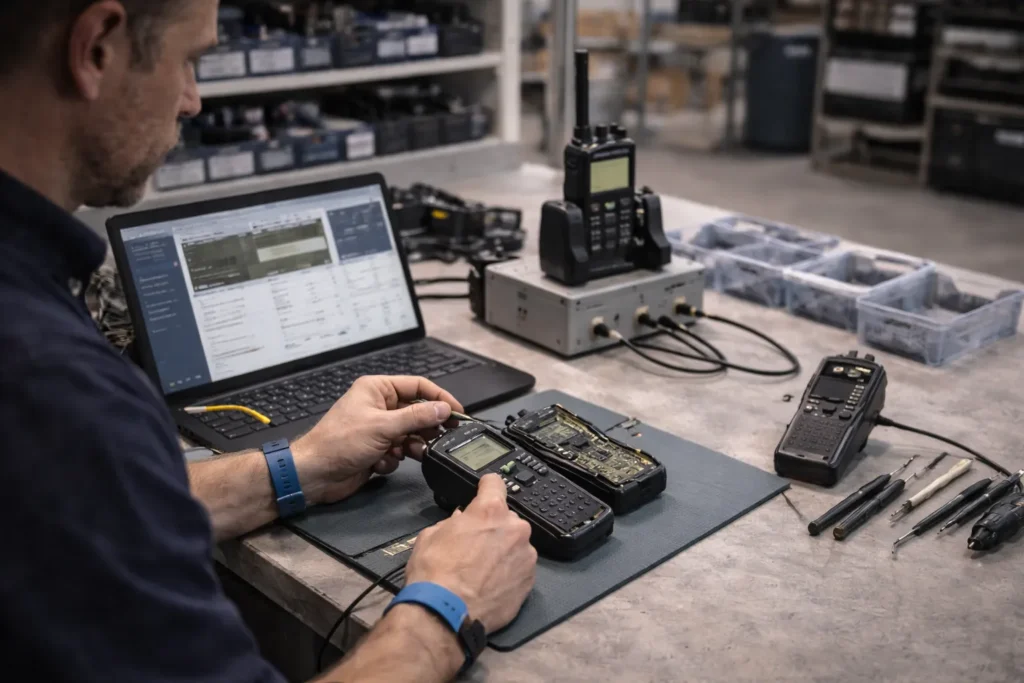
Integration makes security proactive
Standalone systems react after the fact. Integrated access control enables a smart, adaptive security environment where one event can trigger coordinated actions — from alerting teams via radio, to starting CCTV recording, to controlling doors based on risk level.
Examples of what integration enables
- Forced entry triggers alerts, video recording, and targeted lockdown
- Unauthorised attempts create synchronised logs with footage for review
- Emergency scenarios can unlock doors for evacuation and support faster response
RF-enabled access that reduces disruption
RF and GSM-enabled access control improves installation flexibility by reducing wiring requirements — supporting secure entry management from short-range RFID doors to long-range vehicle gates, while maintaining encrypted credential security and central monitoring.
Related Solutions
Access Control Systems restrict and manage entry to buildings, rooms and physical assets using smart credentials and central management — helping create secure environments, improve visibility, and support compliance requirements.

Events

Stadiums

Ports

Natural Resource

Hotels and Luxury Properties

Commercial Marine

Superyachts
Frequently Asked Questions
- What credential types can we use, and can we mix them?
Yes. Most clients combine credential types to balance convenience and security.
Cards and fobs for day-to-day entry. We recommend secure technologies rather than legacy low-frequency cards.
Mobile credentials on smartphones using NFC or Bluetooth for contactless entry and easy provisioning.
Biometrics such as fingerprint or face for high-security zones or when sharing cards would be a risk.
PINs for back-up access or two-factor at sensitive doors.
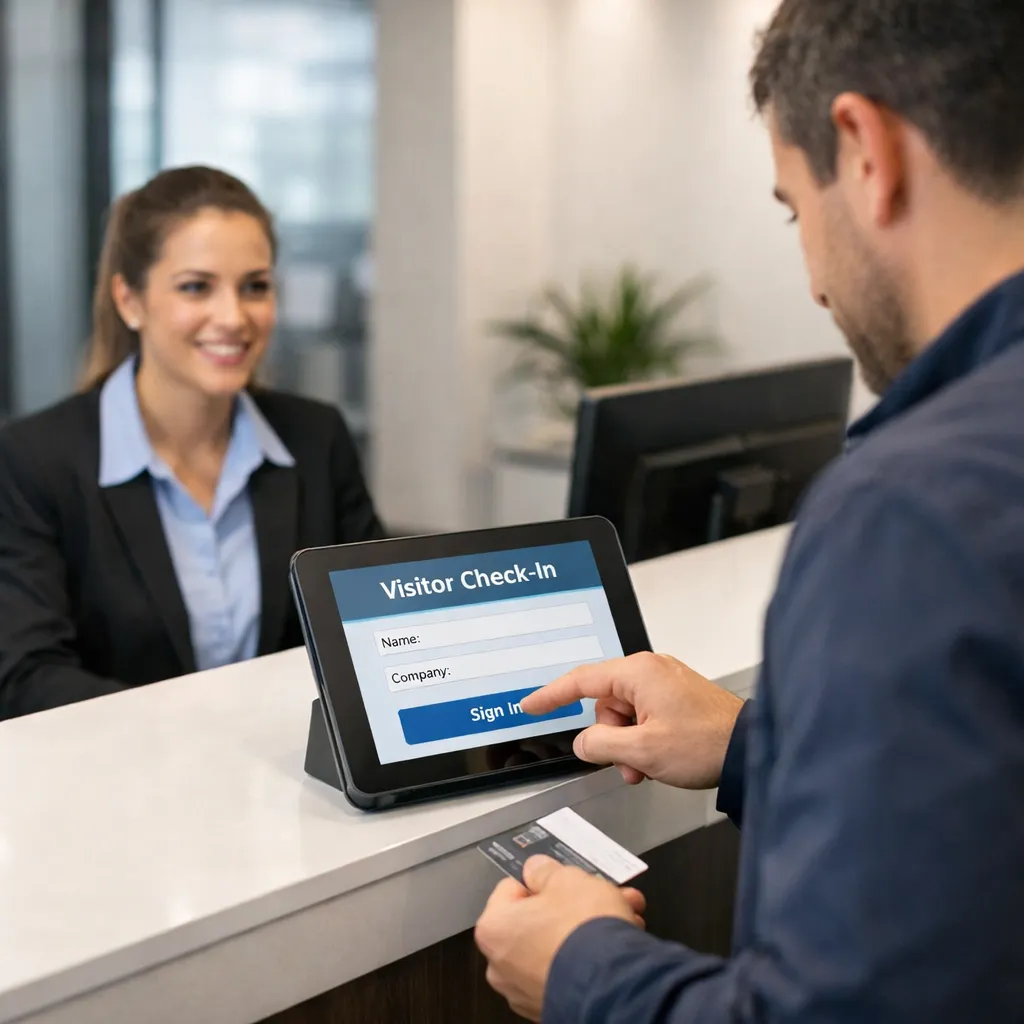
Visitor QR codes for short-term and pre-registered access.
Comms-Spec designs role-based policies so a single user can hold multiple credentials. You can require two-factor at selected doors, apply time schedules, and set anti-passback rules to reduce tailgating.
- How does access control integrate with our other systems?
Integration is where access control delivers the most value. Typical links include:
CCTV and video management. Forced-door or held-open events can call camera presets and create video bookmarks for rapid review.
Alarms and intrusion detection. Alarm states can change door behaviour, and access events can arm or disarm areas.
Fire systems and life safety. Fire inputs drive emergency egress, door release and muster reporting.
Lifts and turnstiles. Credentials can call permitted floors only, and turnstiles can enforce occupancy limits.
ANPR and vehicle gates. Vehicle plates can link to user profiles for automatic barrier control.
HR, identity and visitor management. Joiners and leavers sync from HR. Visitor pre-registration issues timed passes with automatic expiry.
Time and attendance. Entry events can feed approved payroll or attendance systems.
Comms-Spec uses open standards and vendor SDKs to integrate cleanly. We design event workflows so a single incident raises the right alerts, video, and response actions.
- What happens during a power or network failure?
Resilience is built into the architecture.
Edge controllers hold local whitelists, schedules and door rules so doors continue to operate offline.
Event buffering stores transactions until connectivity returns, then synchronises logs.
Power back-up uses UPS and battery-backed locks where required.
Fail-safe vs fail-secure states are specified door by door to meet fire codes and security policy.
Redundant paths such as dual network links or 4G back-up can be added for critical locations.
Comms-Spec documents door modes and recovery procedures so facilities and security teams know exactly what to expect.
- What happens during a power or network failure?
We provide a streamlined workflow that is secure and efficient.
Pre-registration sends invites and QR codes, captures required details, and can attach NDAs or inductions.
On-arrival enrolment prints badges or issues mobile credentials with photo capture if needed.
Time-bound permissions restrict areas and automatically expire on a schedule.
Contractor controls include permit checks, insurance validity and tool crib access where relevant.
Audit and reporting show who was onsite, where and when, with exportable logs for compliance.
Dashboards help reception teams and control rooms see expected arrivals, people on site, and any overstays.
- Can we manage contractors and temporary passes easily?
Access control involves personal data, so privacy is designed in from the start.
Data minimisation and retention. We store only what is required and retain it for agreed periods.
Role-based administration ensures only authorised staff can view or edit records.
Encryption protects data in transit and at rest.
Comprehensive audit trails record every change and every access event.
Privacy notices and DPIAs can be supported where appropriate to align with your policies and GDPR obligations.
Comms-Spec provides configuration guides and policy templates to help your organisation meet internal and regulatory requirements.
- How do you handle compliance and data protection?
Yes. We support both cloud and centrally hosted platforms for single or multi-site estates.
Multi-site management lets you apply common policies, door groups and user roles across locations.
Gradual migration replaces legacy readers and panels in phases. We can bridge older interfaces while new hardware comes online.
Standards-based readers and controllers protect future flexibility and avoid vendor lock-in.
Change management and training ensure smooth adoption for operators and end users.
Project timelines are planned around operational windows, with pilot areas first, then structured roll-out.
Comms-Spec provides full design packs, installation, commissioning, and ongoing support, including preventative maintenance and service level reporting, so the system remains reliable throughout its life cycle.